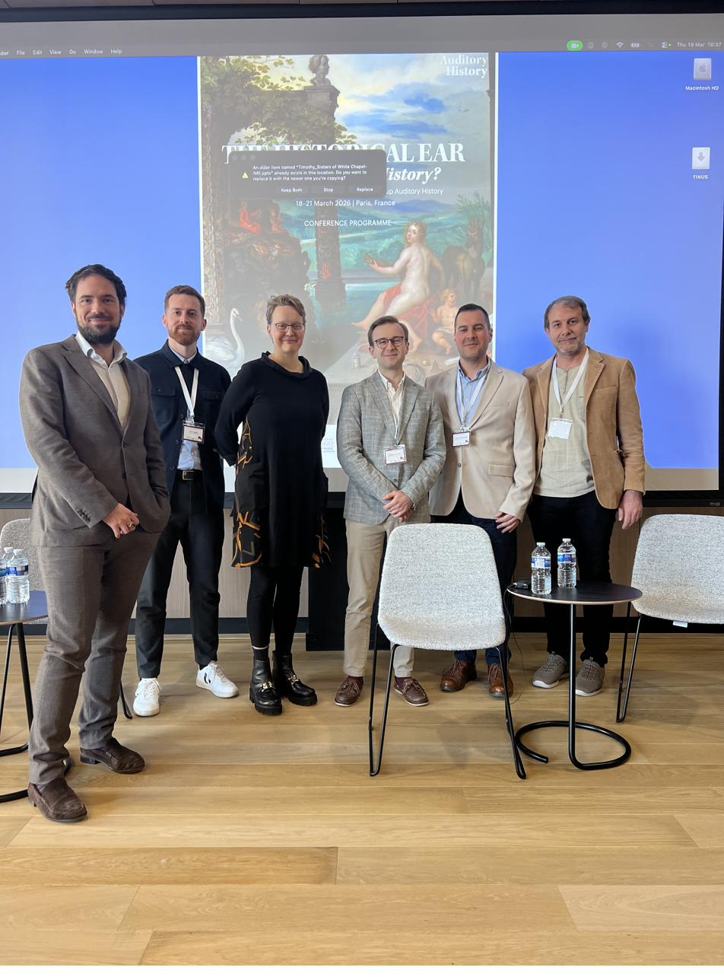
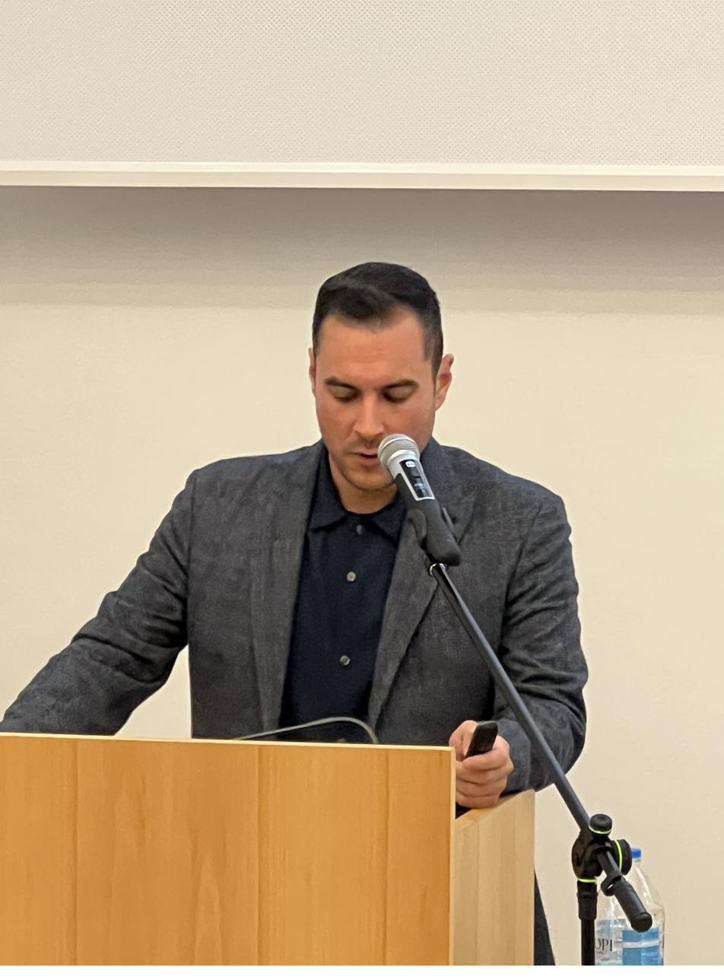
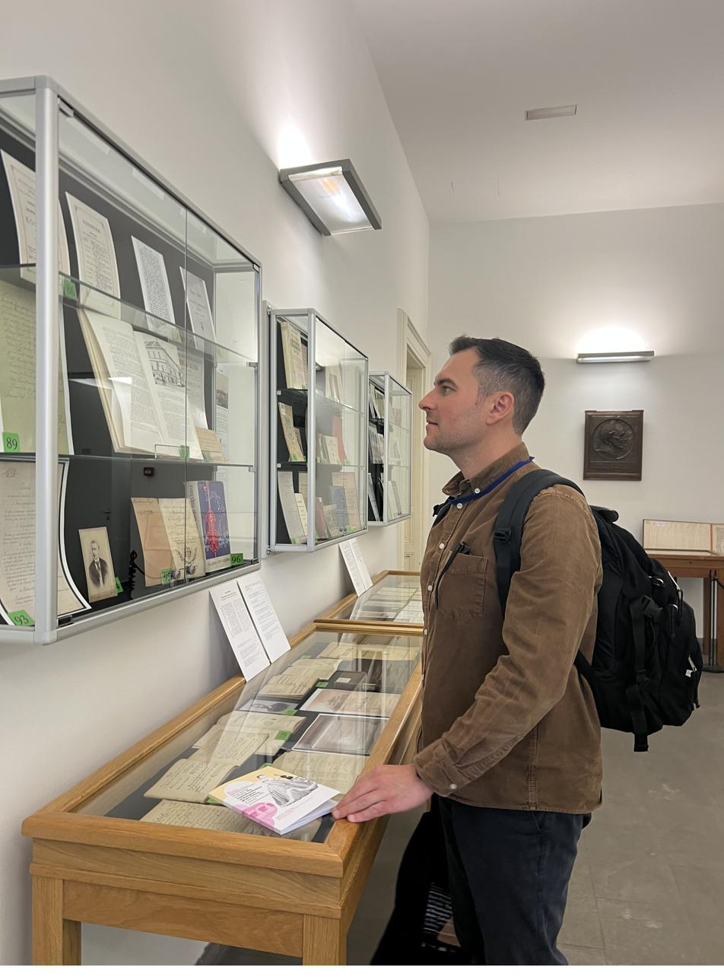
I reconstruct how modern Greece heard its own conflicts — the anthems, acclamations, and silences of the National Schism — and I still perform the repertoire that filled its streets.
Argyrios Kokoris is a postdoctoral researcher in Modern Greek History at the Aristotle University of Thessaloniki, studying political song, soundscape, and public ritual during the Greek National Schism (1915–1922). He holds a PhD in Ethnomusicology (AUTh, 2024, awarded with distinction) and works where historical ethnomusicology, modern Greek history, and sound studies meet.
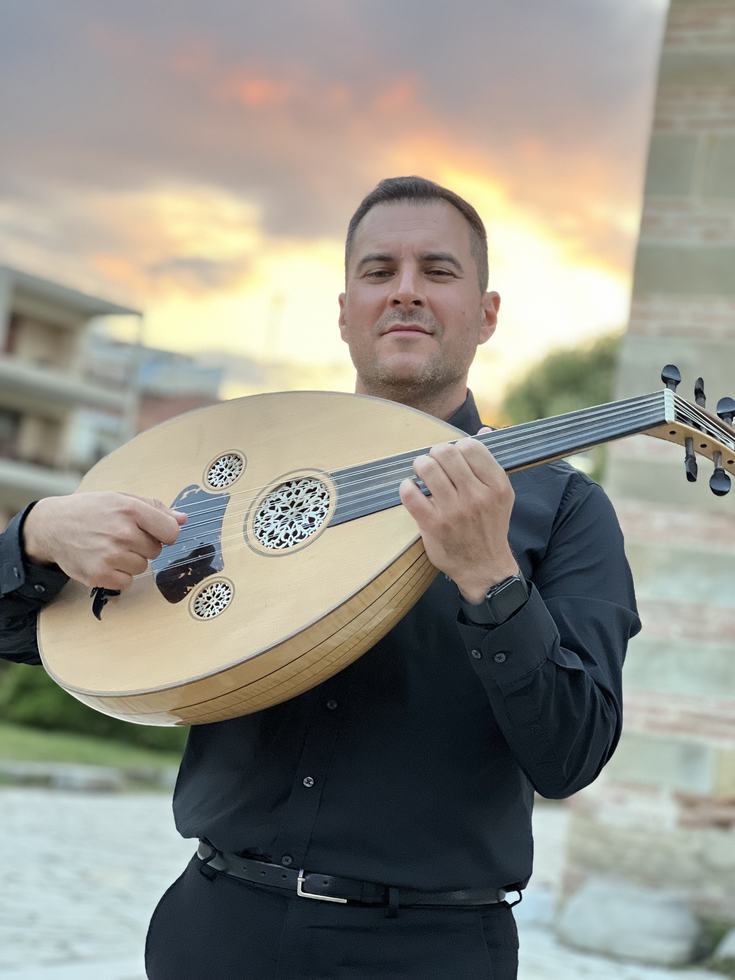
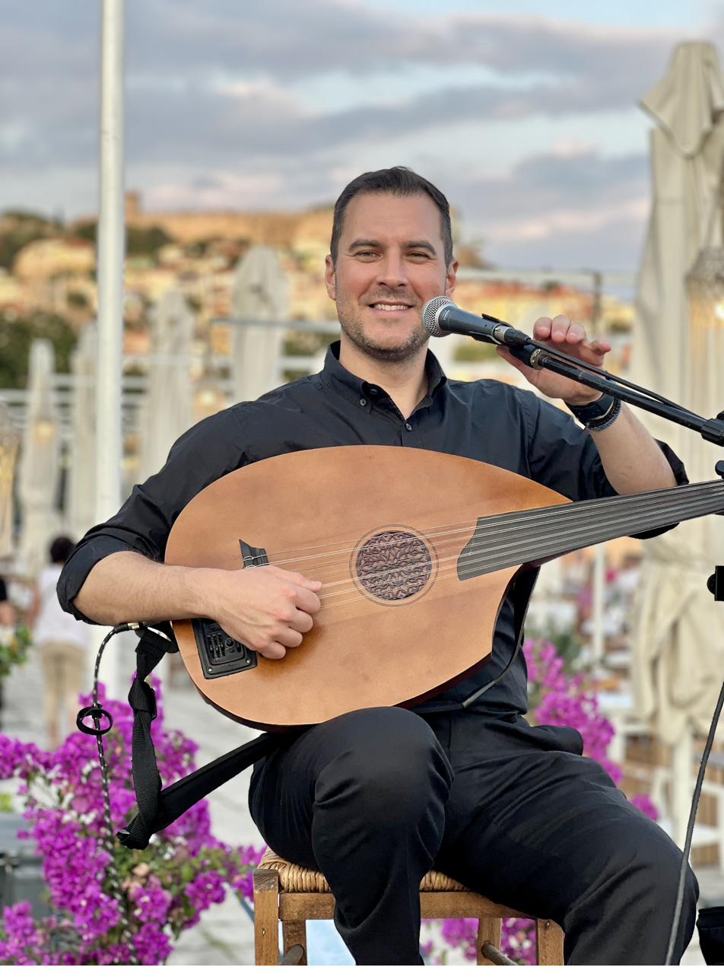
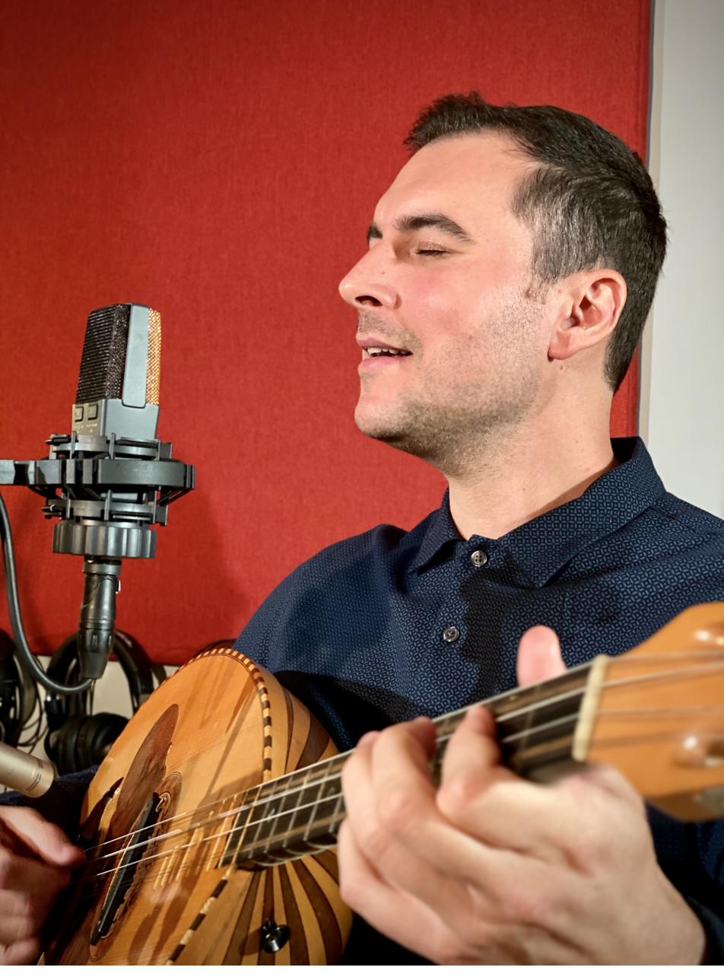
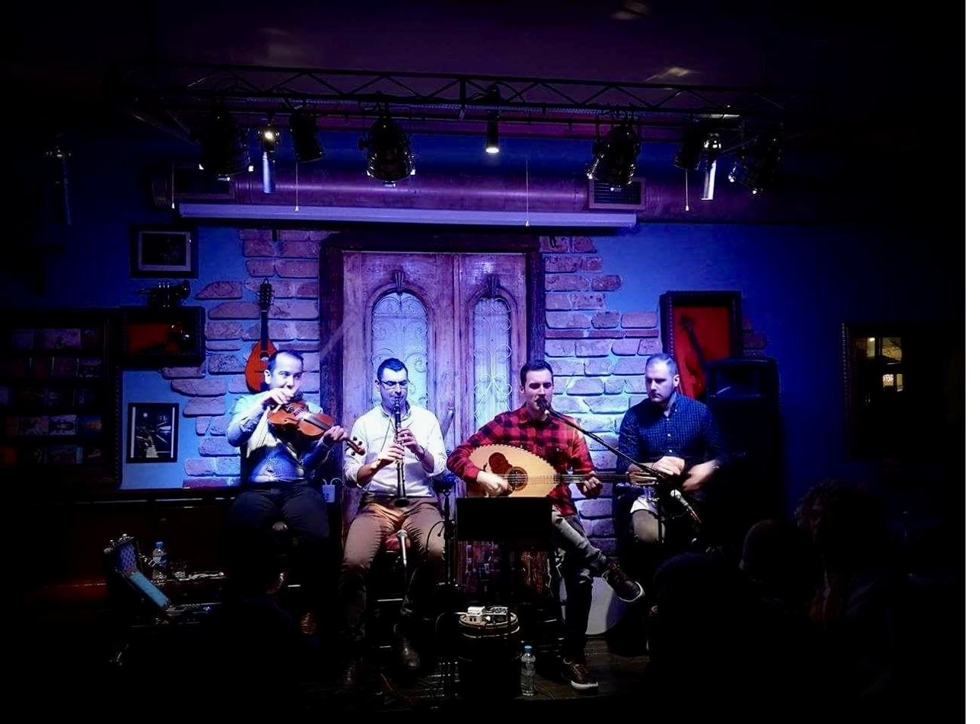
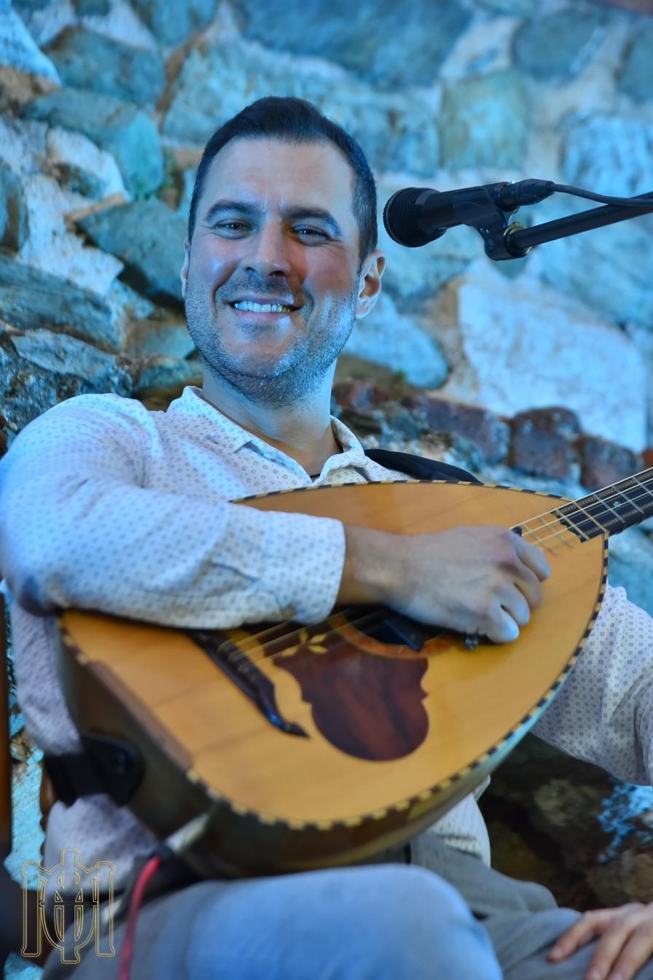
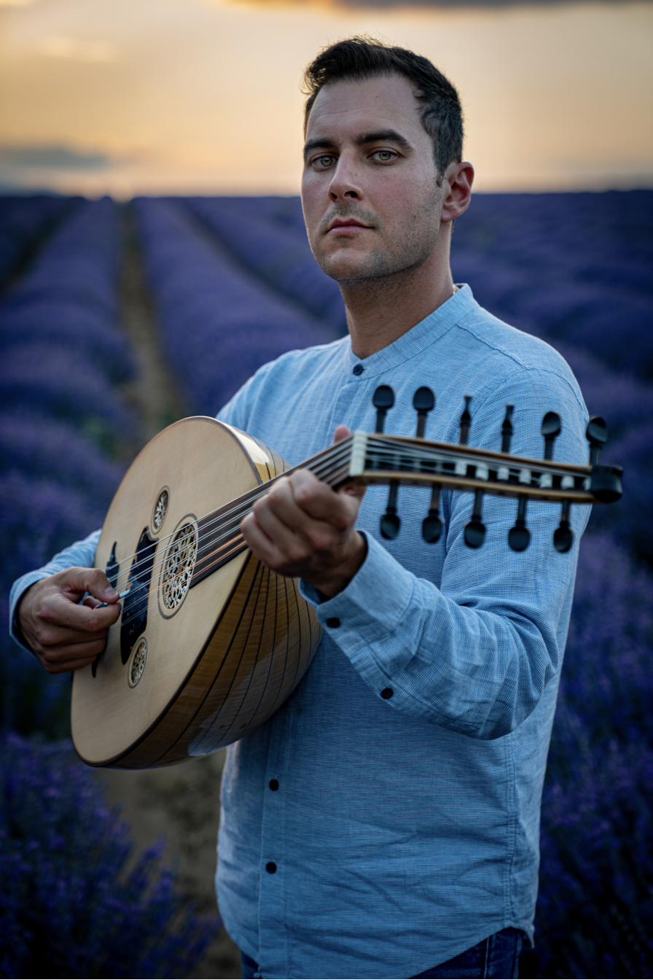
He is also a singer and multi-instrumentalist of Greek traditional music — on the oud and the mainland laouto — and the founder of the ensemble Romèiki Kompanía. The two halves of his work are the same question asked twice: what does a society sound like, and what does that sound do?
School of History & Archaeology,
Aristotle University of Thessaloniki
Auditory history · historical ethnomusicology · modern Greek history · sound studies · performance of Greek folk repertoires
Between 1917 and 1920 the Venizelist regime governed Athens and Thessaloniki by managing public sound: banning royalist songs, silencing royalist clergy, choreographing celebration for diplomatic ears. The work asks why that managed order collapsed the instant it most needed to seem sincere — when, within an hour of the prime minister’s departure after the catastrophic election of November 1920, a city “deserted for two days” filled with spontaneous counter-celebration.
The argument runs through a monograph in progress, Auditory Regimes in Crisis: Sound, Power, and Political Conflict in Greece, 1917–1920, built from the French diplomatic archives at La Courneuve, Russian diplomatic material read in translation, the partisan press, and private diaries read as “ear-witness” testimony.
Selected. The complete list is in the CV below; further work is under review.
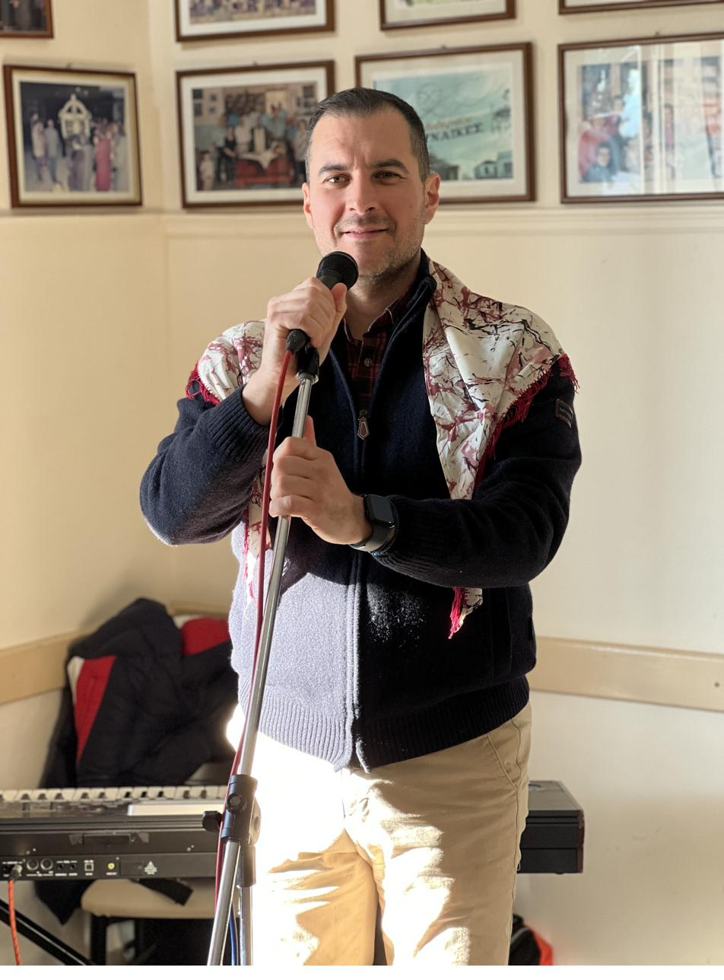
Trained as a singer of Greek traditional song, Argyrios performs across Greece and abroad on voice, oud, and laouto, and has recorded on more than ten albums. He founded and leads the ensemble Romèiki Kompanía and has shared the stage with leading figures of the living tradition.
Next on stage: Three Musical Acts of Humanity, a music-narrative production for the Hellenic Ministry of Culture’s programme All of Greece, One Culture, at the Osman Shah Mosque (Kursum Tzami) in Trikala, 9–10 July 2026.
YouTube — performances & recordings
Calanda (Polis Ensemble, 2023) · Gléntia Thrákon (2018) · Nuka (Matoula Zamani, 2018) · and others, 2008–2023.


Essays for the general press on music, heritage, and national memory — most recently «Ferto, αυθεντικότητα και η Ελλάδα που δεν ξέρει τι θέλει να ακούγεται» in Parallaxi (2026), and «Η μουσική μπορεί να ενώνει, μπορεί και να διχάζει» in Kathimerini. Appearances on Greek public television include ERT’s To Aláti tis Gís.
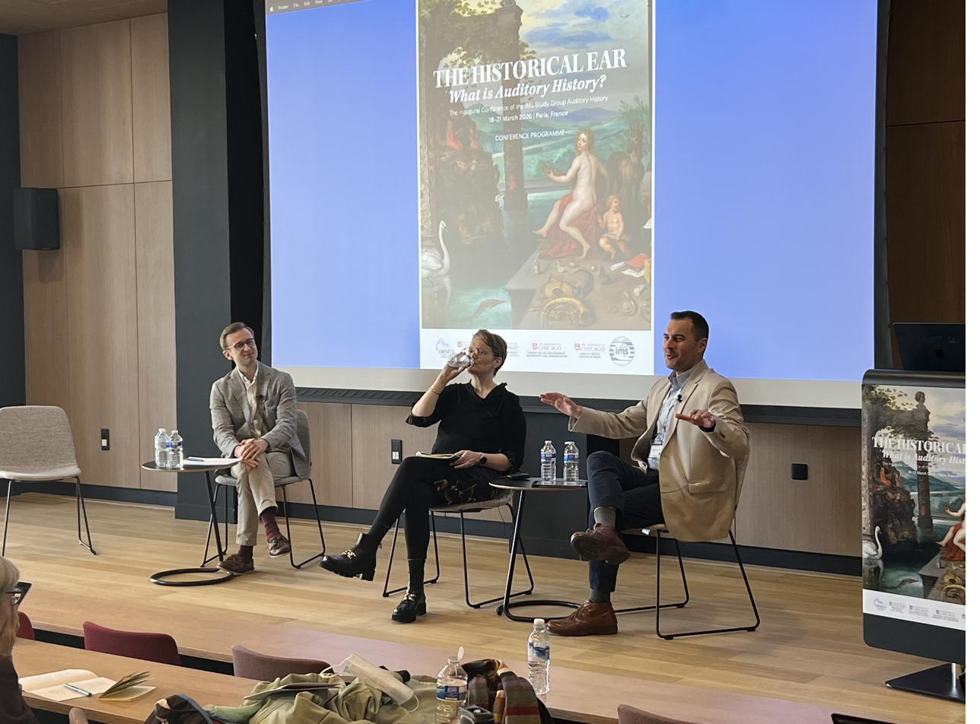
Available for lecture-performances bridging the archive and the stage — talks that are also sung.


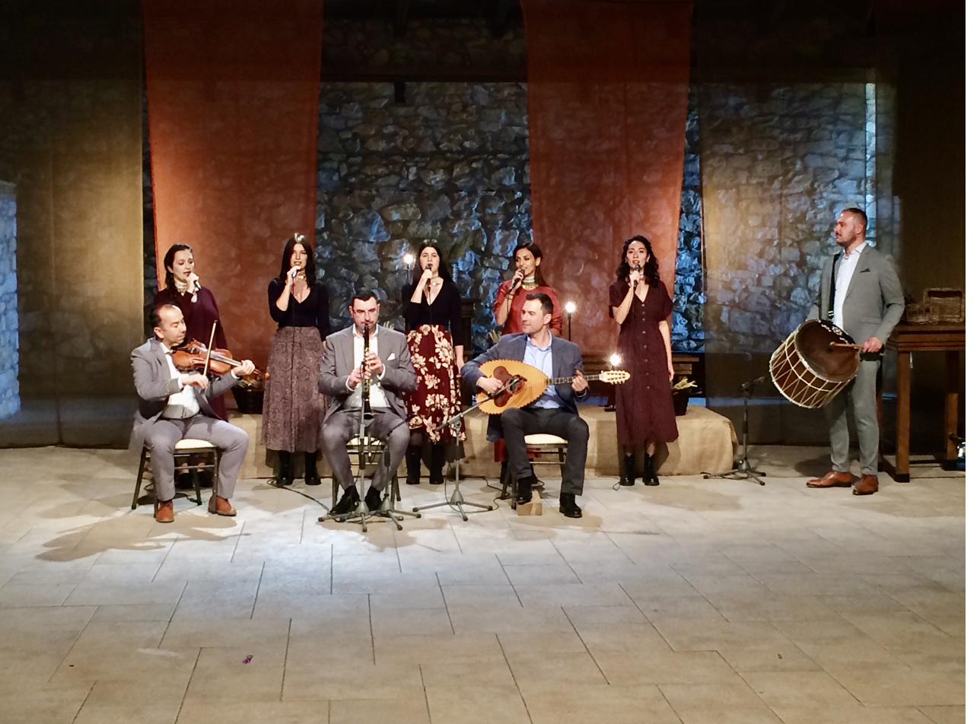
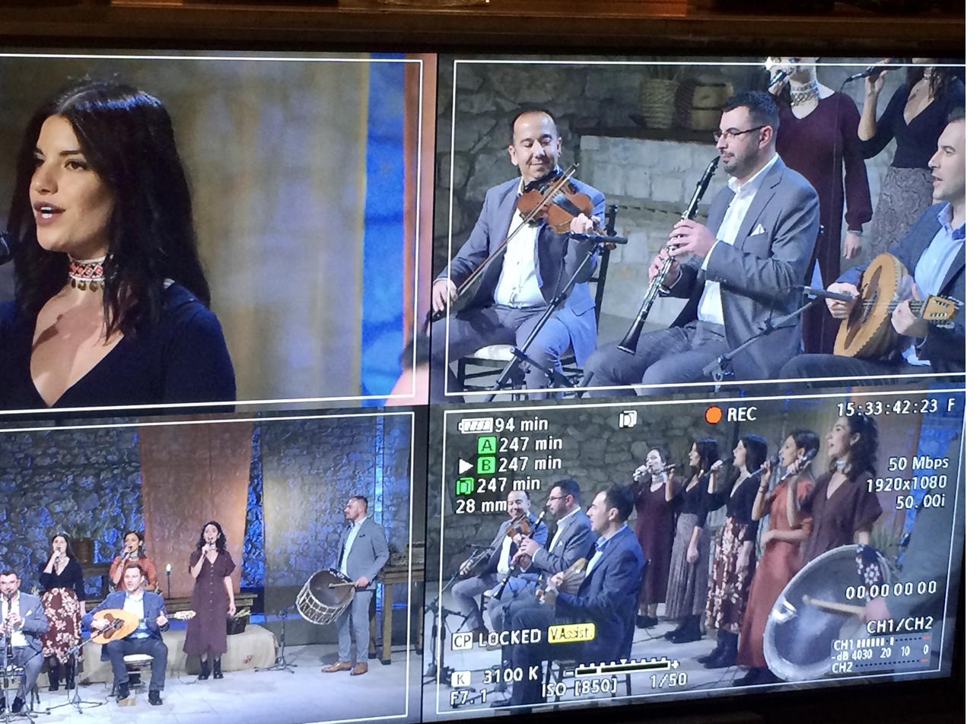
A performance for To Aláti tis Gís, the long-running folk-music programme of Greek public television (ERT) — Greek song carried to a national audience.
To Aláti tis Gís · ERT · 2021
Education, appointments, the complete list of publications and conference papers, discography, and performances — in a single document.
Download CV (PDF)For collaboration, research exchange, performances, or press.